
Summary: Corneal disease can affect vision if ignored, but early care makes a big difference. This guide explains symptoms, causes, diagnosis, and modern treatment options including eye drops, lenses, laser care, and surgery. It highlights how cornea treatment helps protect eyesight and supports long-term eye health with expert care from specialists.
The cornea is the clear front layer of the eye that helps focus light so we can see clearly. Even though it is thin and see-through, it plays a very important role in vision. When it becomes damaged or sick, even simple daily tasks like reading, driving, or recognizing faces can become difficult.
Corneal disease refers to a group of conditions that affect this part of the eye. Some cases are mild and short-term, while others can get worse and affect vision for a long time if not treated early. This is why early care and proper attention are very important.
Is Corneal Disease Really Serious?
Corneal disease can range from minor irritation to serious vision-threatening conditions. The seriousness depends on the type, cause, and how early it is found.
In many cases, patients ignore early signs like redness, discomfort, or blurred vision, thinking it is a small issue. However, some corneal conditions can get worse slowly and lead to scarring or permanent vision loss.
Common situations where corneal disease becomes serious include:
- Infections that are not treated early
- Progressive thinning or weakening of the cornea
- Injury or trauma to the eye
- Long-term dry eye leading to surface damage
- Genetic or long-lasting corneal disorders
The good news is that with modern cornea treatment West Long Branch NJ, many of these conditions can be controlled or improved when treated early.
Early Signs You Should Not Ignore
Finding symptoms early can protect vision and reduce problems. People often delay eye care because symptoms seem small at first.
Watch for these signs:
- Ongoing redness or irritation
- Blurred or changing vision
- Sensitivity to light
- Eye pain or discomfort
- Feeling like something is stuck in the eye
- Excess watering or unusual discharge
If any of these symptoms continue, it is important to get an eye check instead of waiting for them to go away on their own.
What Causes Corneal Disease?
Corneal conditions can develop for many reasons. Some are preventable, while others are linked to genes or other health issues.
Common causes include:
- Eye infections caused by bacteria, viruses, or fungi
- Contact lens misuse or poor cleaning habits
- Dry eye condition
- Injury or scratch on the eye surface
- Autoimmune conditions affecting eye tissue
- Age-related weakening
Understanding the cause helps doctors choose the right corneal disease treatment Lakewood NJ for each patient.
How Corneal Disease is Diagnosed
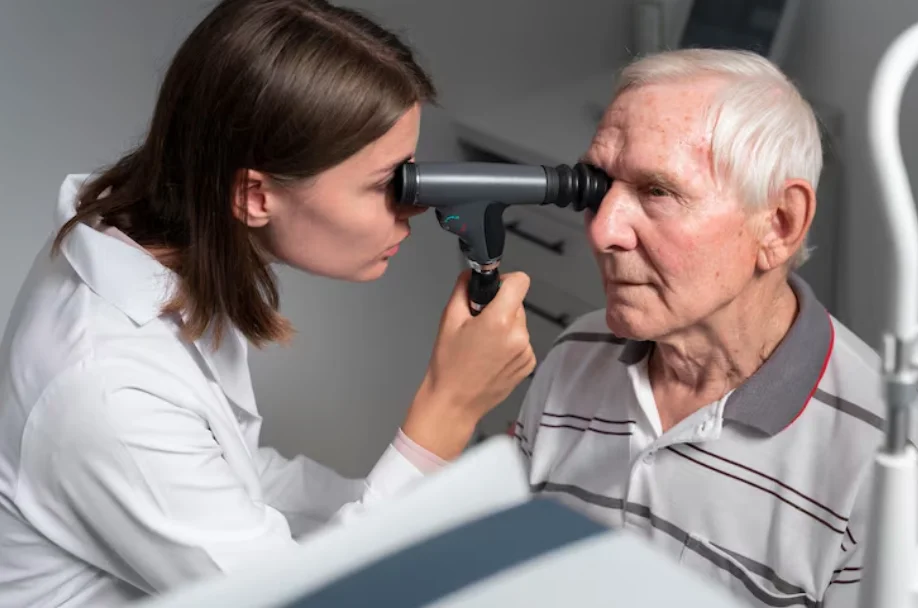
Correct diagnosis is the base of effective treatment. Eye specialists use advanced tools to examine the cornea closely.
At practices like NJ Eye Consultants and Eye & Face, Dr. Saul M. Betesh, MD evaluates patients using complete eye exams and modern testing tools. These tests help identify the exact condition and how deeply the cornea is affected.
Diagnostic methods may include:
- Detailed slit-lamp eye exam
- Corneal mapping and imaging
- Vision testing
- Tear film check for dry eye evaluation
This step ensures that treatment is not general but made for the patient’s exact condition.
Corneal Disease Treatment Options That Help Protect Vision
Treatment depends on severity and cause. Some cases need simple medicine, while others may need advanced surgical care.
1. Medicated Eye Drops
Eye drops are often the first step in treatment. They may include antibiotics, antiviral medicine, or anti-inflammatory drops depending on the condition.
2. Dry Eye Management
For patients with dry eye-related corneal damage, treatment may include lubricating drops, lifestyle changes, or in-office procedures to improve tear stability.
3. Special Contact Lenses
In certain corneal disorders, specially designed lenses help improve vision and protect the corneal surface.
4. Laser and Minimally Invasive Procedures
Some conditions benefit from laser procedures or small surgical options that help reshape or stabilize the cornea.
5. Corneal Surgery
In advanced cases where the cornea is badly damaged, surgery may be needed. These can include corneal transplant or advanced vision correction procedures.
Dr. Saul M. Betesh, MD, who specializes in cataract, corneal, and refractive surgery, uses advanced surgical methods and modern tools to improve results for patients needing complex cornea treatment West Long Branch NJ.
Why Early Treatment Matters So Much
The cornea does not heal the same way as other parts of the body. Damage can sometimes become permanent if not treated early. Late care increases the risk of scarring and long-term vision loss.
Early treatment helps:
- Stop disease from getting worse
- Lower risk of infection problems
- Improve chances of full vision recovery
- Avoid surgery in many cases
Living with Corneal Conditions
Many patients worry that a corneal diagnosis means permanent vision problems. In reality, most conditions can be managed well with proper care and regular follow-up.
A long-term care plan may include:
- Regular eye check-ups
- Consistent use of prescribed medicine
- Protective habits like not rubbing the eyes
- Managing related conditions like dry eye or allergies
With continuous monitoring, many patients maintain stable and useful vision.
The Role of Advanced Eye Care
Modern eye care has greatly improved how corneal diseases are treated. New testing tools and surgical methods allow earlier detection and better results.
Dr. Saul M. Betesh, MD follows a patient-first approach that focuses on personal care, precise surgery, and clear communication. This helps patients understand their condition and feel confident about their treatment plan.
Final Insights:
If you are dealing with blurry vision, eye discomfort, or any signs of corneal problems, getting the right care at the right time can make a real difference. Dr. Saul M. Betesh, MD offers advanced training and strong surgical experience in cornea, cataract, and refractive care, helping patients with clear guidance and effective treatment options. His approach focuses on accurate diagnosis, modern methods. and patient comfort at every step.
For expert eye care, book a consultation with Dr. Saul M. Betesh, MD today and improve your vision health now please.
FAQs
- Is corneal disease dangerous for vision?
Yes, corneal disease can affect vision if not treated early. Some cases cause long-term damage, but early care often helps protect and improve eyesight.
- What are common signs of corneal disease?
Common signs include red eyes, blurry vision, pain, light sensitivity, and watery eyes. These symptoms should be checked early to avoid further eye damage.
- How is corneal disease treated?
Corneal disease treatment depends on the cause. It may include eye drops, special contact lenses, laser care, or surgery in more serious eye conditions.
- Can corneal damage be cured?
Some corneal problems can be fully treated, while others are managed long-term. Early diagnosis improves results and reduces the chance of permanent vision loss.
- When should I see an eye doctor for cornea problems?
You should see an eye doctor quickly if you notice pain, blurry vision, redness, or ongoing irritation to prevent serious vision complications.