
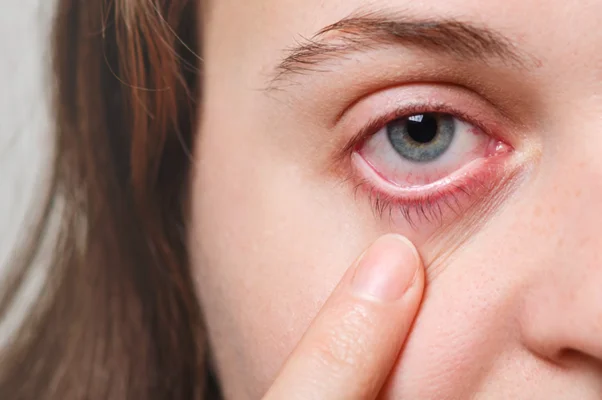
Have your eyes ever felt scratchy, watery, or tired even when you are not doing much? You are not alone. Many people deal with dry eyes every day, but they often ignore it or think it is just a small issue. In reality, understanding the cause is the first step toward real relief.
Let’s talk about what is actually happening and how the right care can make a big difference.
What Is Dry Eye Disease?
Dry eye disease happens when your eyes do not produce enough tears or when the tears dry up too quickly. Tears are not just water. They are a mix of oil, water, and mucus that keep your eyes smooth and clear.
When this balance is disturbed, your eyes start to feel uncomfortable.
Common Dry Eye Disease Symptoms
Many people are surprised that watery eyes can also be a sign of dryness. Here are some common dry eye disease symptoms you should not ignore:
- Burning or stinging feeling
- Redness in the eyes
- Blurred or fluctuating vision
- Sensitivity to light
- A gritty or sandy feeling
- Eye fatigue, especially after screen time
- Excess tearing as a response to dryness
If you notice these often, your eyes are trying to tell you something.
What Causes Dry Eyes?
Dry eyes do not happen for just one reason. There are several factors that can affect your tear quality and production.
1. Too Much Screen Time
We blink less when we use phones, laptops, or tablets. Less blinking means tears do not spread properly across the eye.
2. Aging
As we grow older, tear production naturally decreases. This is one of the most common causes.
3. Environmental Factors
Dry air, wind, pollution, and air conditioning can all make tears evaporate faster.
4. Medical Conditions
Certain health conditions can affect tear production and lead to dryness.
5. Medications
Some medicines may reduce tear production as a side effect.
6. Contact Lens Use
Wearing lenses for long hours can reduce moisture and irritate the eyes.
Understanding your specific cause is important because not all dry eyes are treated the same way.
Why Ignoring Dry Eyes Is Not a Good Idea
It may feel like a small problem at first, but untreated dry eye disease can affect your daily life. Reading, driving, or even watching TV can become uncomfortable.
In some cases, it can also affect the surface of your eye and lead to more serious issues over time.
How the Right Dry Eye Disease Treatment Helps
The good news is that effective dry eye disease treatment can bring real relief. The key is choosing the right approach based on the cause and severity.
1. Personalized Care Makes a Difference
Every patient’s eyes are different. A proper evaluation helps identify whether the problem is low tear production or poor tear quality.
2. Modern Treatment Options
Treatment today goes beyond basic eye drops. Depending on your condition, options may include:
- Lubricating eye drops for moisture support
- Prescription medications to improve tear quality
- In-office procedures to reduce tear evaporation
- Managing underlying eyelid or gland issues
3. Focus on Long-Term Relief
The goal is not just temporary comfort. The right treatment plan helps improve eye health over time.
Simple Daily Habits That Can Help
Along with medical care, small lifestyle changes can support your treatment:
- Take breaks during screen use
- Blink more often and consciously
- Stay hydrated
- Use a humidifier in dry environments
- Protect your eyes from wind and dust
These simple steps can make a noticeable difference.
When Should You See an Eye Specialist?
If your symptoms are frequent or getting worse, it is time to seek professional care. Early diagnosis helps prevent long-term discomfort and protects your vision.
Do not wait until it starts affecting your daily routine.
Key Takeaways:
Dry eyes may seem like a minor issue, but they can impact your comfort and quality of life more than you expect. Dr. Saul M. Betesh approaches dry eye care with a focus on precision, personalized treatment, and long-term relief. By identifying the root cause and using advanced diagnostic tools, he ensures that each patient receives care tailored to their specific needs.
If you are experiencing ongoing discomfort or noticing dry eye disease symptoms, it is a good time to take action. Reach out to Dr. Betesh today to schedule a consultation and take the first step toward clearer, more comfortable vision.
Frequently Asked Questions
1. What are the most common dry eye disease symptoms?
A: Common dry eye disease symptoms include burning, redness, blurry vision, watery eyes, and a gritty feeling. These signs often get worse after long screen use or reading.
2. What causes dry eyes in everyday life?
A: Dry eyes are often caused by too much screen time, aging, dry air, pollution, contact lenses, or certain medicines. These factors reduce tears or make them dry faster.
3. How does dry eye disease treatment help?
A: Dry eye disease treatment helps by adding moisture, improving tear quality, and reducing irritation. It can include eye drops, simple procedures, and lifestyle changes for long-term comfort.
4. Can screen time make dry eyes worse?
A: Yes, screen time can make dry eyes worse because we blink less while using devices. This causes tears to dry faster, leading to discomfort, strain, and irritation.
5. When should I see a doctor for dry eyes?
A: You should see a doctor if symptoms happen often, feel severe, or affect daily tasks. Early care helps prevent worsening and protects your eye comfort and vision.