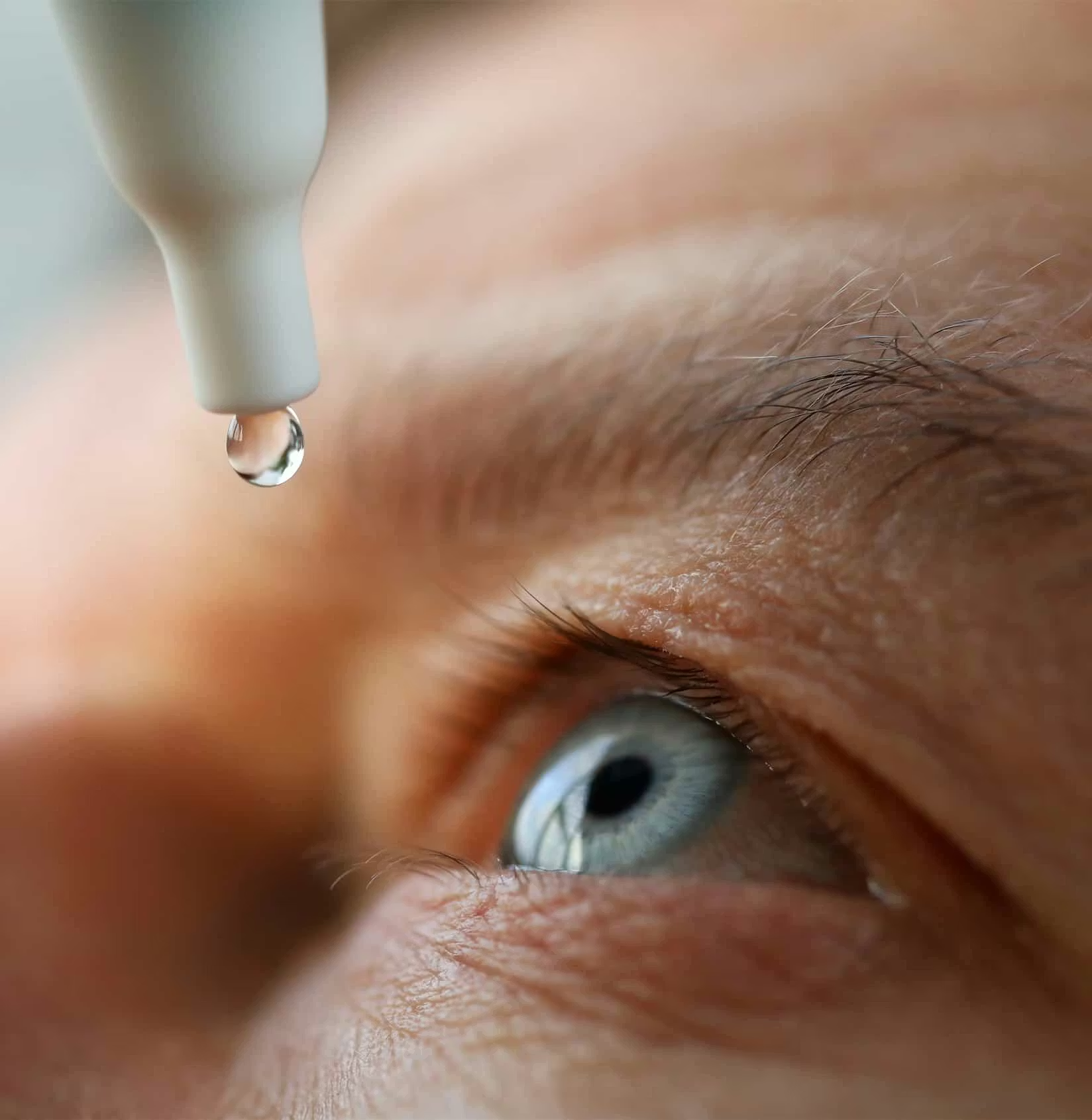
Persistent irritation, blurred vision, or a gritty sensation in the eyes may indicate underlying ocular surface disease. These symptoms of dry eye can interfere with daily activities such as reading, screen use, and driving.
At NJ Eye Consultants and Eye & Face, Saul M. Betesh provides advanced, evidence-based care for patients experiencing dry eye disease symptoms. His goal is to restore tear balance, improve visual clarity, and reduce discomfort through targeted treatment.
Dry eyes are more than just occasional discomfort. It is a chronic condition known as ocular surface disease or eye surface disease, where your eyes do not produce enough tears or the tears evaporate too quickly.
Tears are essential. They protect, lubricate, and nourish your eyes. When this balance is disrupted, you may start noticing dry eye disease symptoms that affect your quality of life.
Dry eyes can show up in subtle or frustrating ways. You might notice:
That last one often confuses people. Your eyes may produce more tears as a reaction to dryness, but these tears do not provide lasting relief.
If you often reach for eye drops for foreign body sensation, it may be time to explore a more lasting solution.

There is no one size fits all solution for dry eye. That is why Saul M. Betesh takes a comprehensive approach to dry eye disease treatment. He carefully evaluates your tear film, eyelid health, and lifestyle to create a plan that works for you.
Treatment options may include:
The goal is simple. Restore balance to your eyes and eliminate discomfort at its source.
If your eyes are not retaining enough moisture, punctal plugs for dry eyes may be an excellent option.
These tiny devices, also known as tear duct plugs for dry eyes or eye plugs for dry eyes, are placed in the tear ducts to slow down tear drainage. This helps your eyes stay naturally hydrated for longer periods.
Here is why many patients benefit from this treatment:
Dr. Betesh uses precision techniques to ensure that the plugs are comfortable and effective. Many patients barely notice them, except for the improvement in how their eyes feel.
Dry eye is often part of a broader condition known as ocular surface disease. Treating it effectively requires expertise and attention to detail.
With his background in corneal and refractive surgery, Saul M. Betesh understands the delicate structure of the eye’s surface. He uses advanced diagnostic tools to identify the root cause of your symptoms and target them directly.
This approach helps prevent complications and improves long term outcomes.

If you wear contacts, dry eyes can make them uncomfortable or even unbearable. The good news is that you do not always have to give them up.
Dr. Betesh can recommend the best contacts for dry eyes, designed to retain moisture and reduce irritation. These lenses are made with advanced materials that improve comfort throughout the day.
He will also guide you on proper lens care and wearing habits to protect your eye health.
When you visit Dr. Betesh, your experience is designed to be comfortable and informative.
He will take time to understand your symptoms, examine your eyes thoroughly, and explain your condition in simple terms. You will leave with a clear treatment plan tailored specifically to your needs.
There is no guesswork. Just expert care focused on helping you blink without pain.
Living with dry eyes can be frustrating, but it does not have to be permanent. With advanced treatments like punctal plugs for dry eyes and personalized care, relief is within reach.
If you are dealing with persistent irritation, redness, or blurry vision, now is the time to take action. Let Saul M. Betesh help you restore comfort and clarity to your everyday life.
Contact UsCommon symptoms of dry eye include burning, redness, blurry vision, watery eyes, and a gritty feeling, like something is stuck in your eye all day.
The best dry eye disease treatment depends on the cause. Options include eye drops, lifestyle changes, and procedures like punctal plugs to keep your eyes moist longer.
Punctal plugs for dry eyes block tear drainage, helping your natural tears stay longer on the eye surface, which reduces dryness and improves overall eye comfort.
Yes, you can wear contact lenses with dry eyes. Your doctor may suggest the best contacts for dry eyes that keep moisture and feel more comfortable.
You should see a doctor if dry eye symptoms last for days, worsen, or affect your vision, so proper treatment can prevent long-term discomfort and eye problems.